Peptide.Express: Research Peptides for Laboratory Use
Peptide.Express supplies research peptides for laboratory use from the United States, sourced against a ≥99% HPLC purity specification, with third-party Certificates of Analysis published by batch.

For laboratory research use only. Not for human or veterinary use.
What Are Research Peptides?
Research peptides are short chains of amino acids, typically 3 to 50 residues joined by amide bonds, that are chemically synthesized for laboratory study rather than for clinical use. They are supplied as lyophilized powder, characterized by HPLC and mass spectrometry, and investigated in vitro for activity at named receptors and signalling pathways.
Synthesis is never perfectly clean, and the purity figure printed on a batch’s Certificate of Analysis is the measure of how clean that particular synthesis run was.
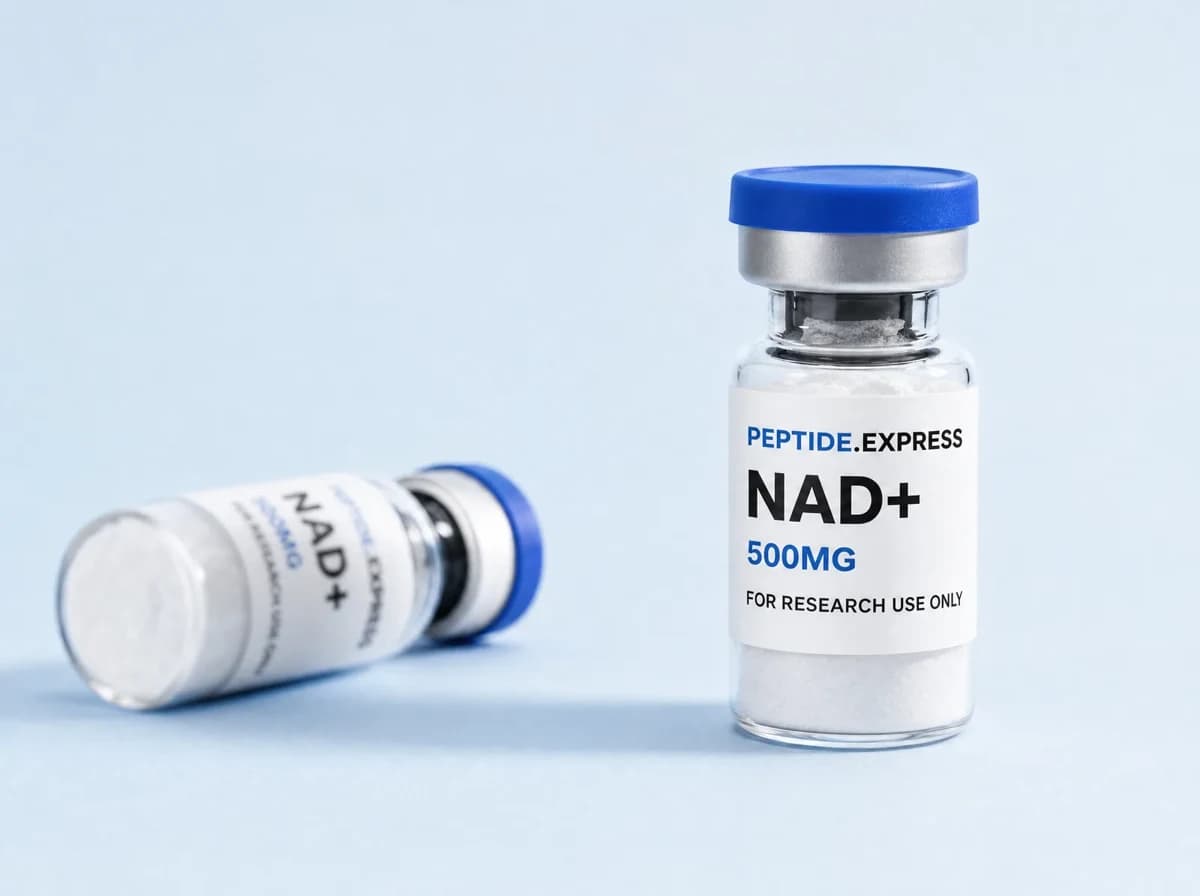
Best Sellers
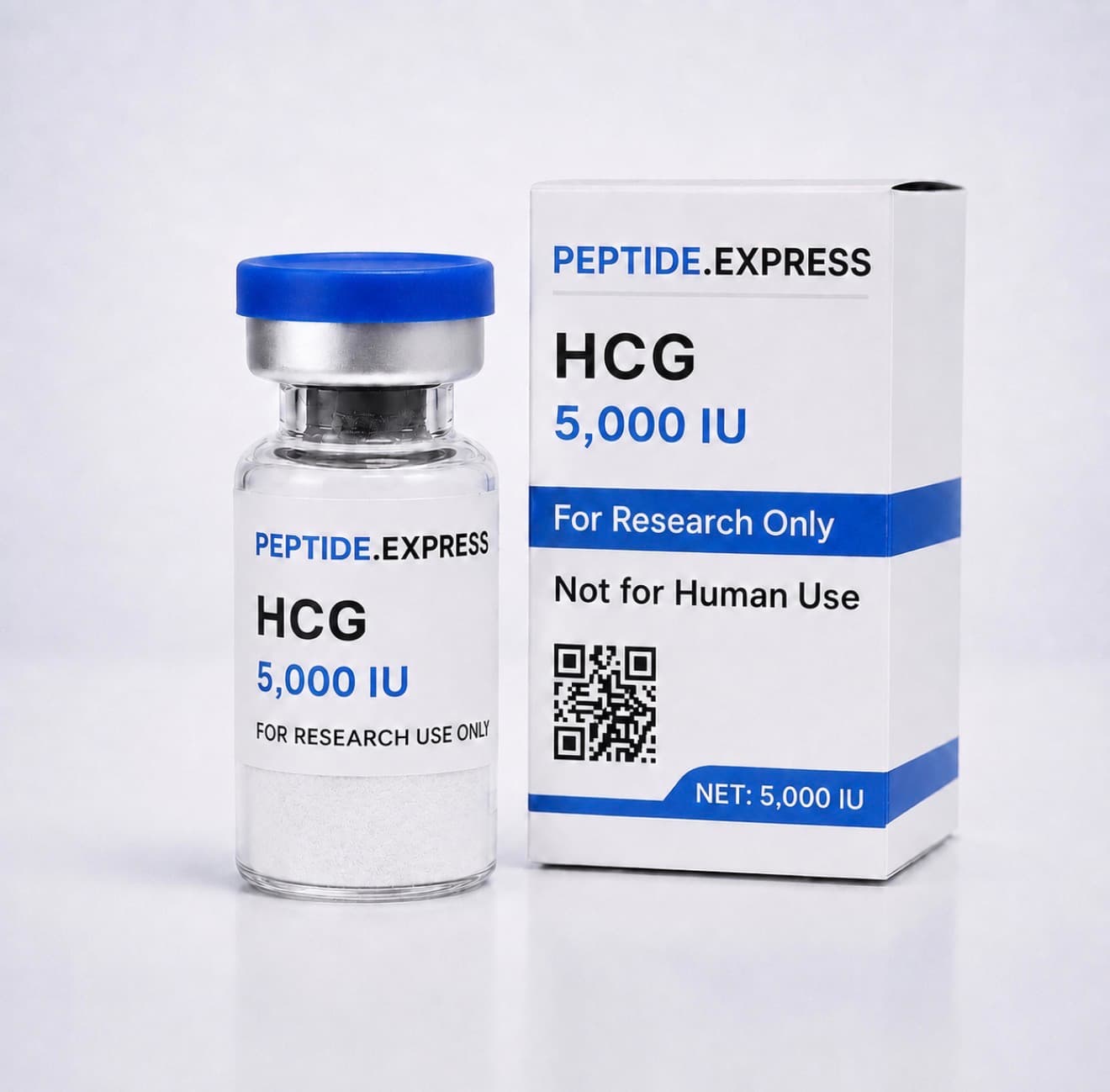
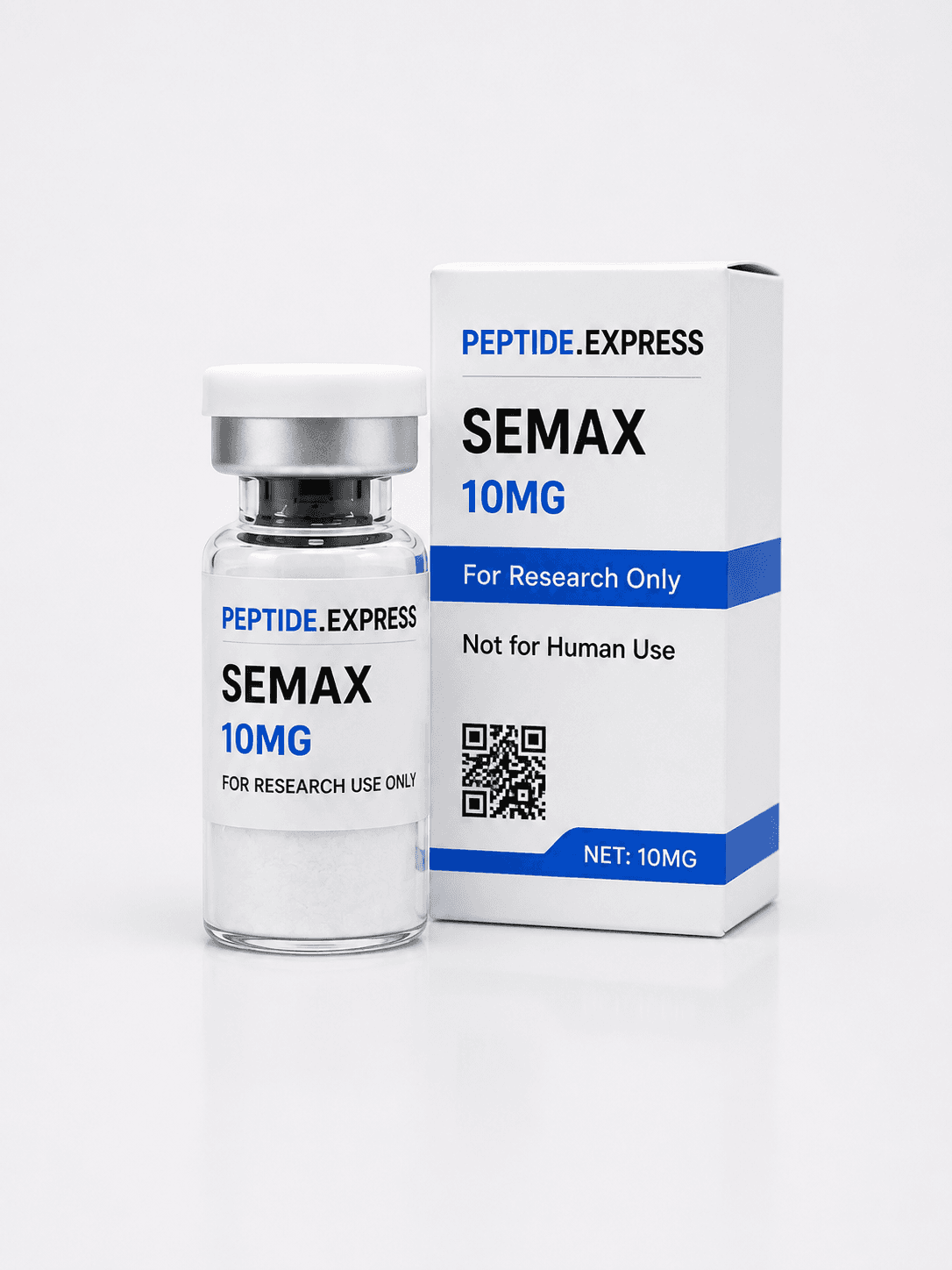
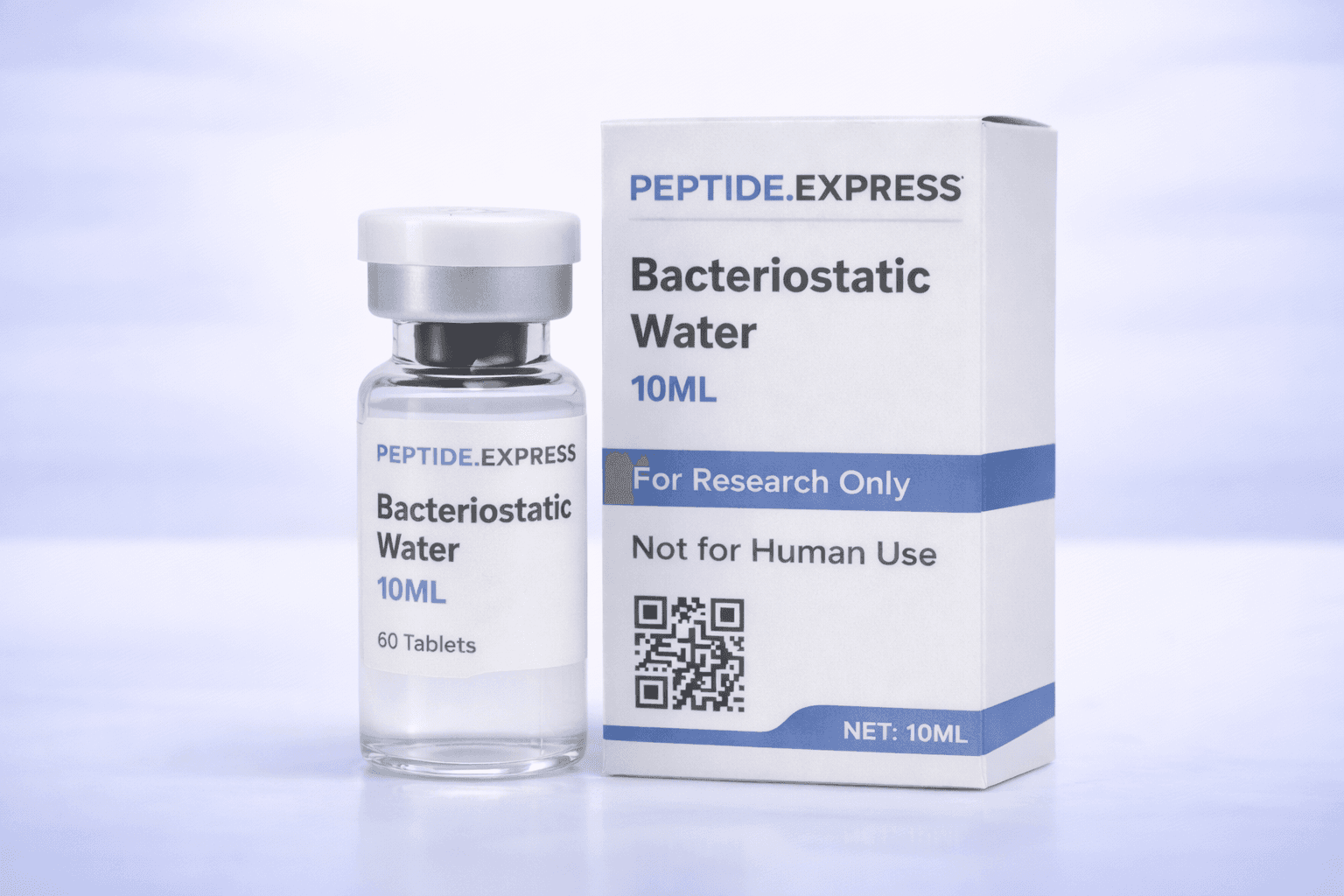
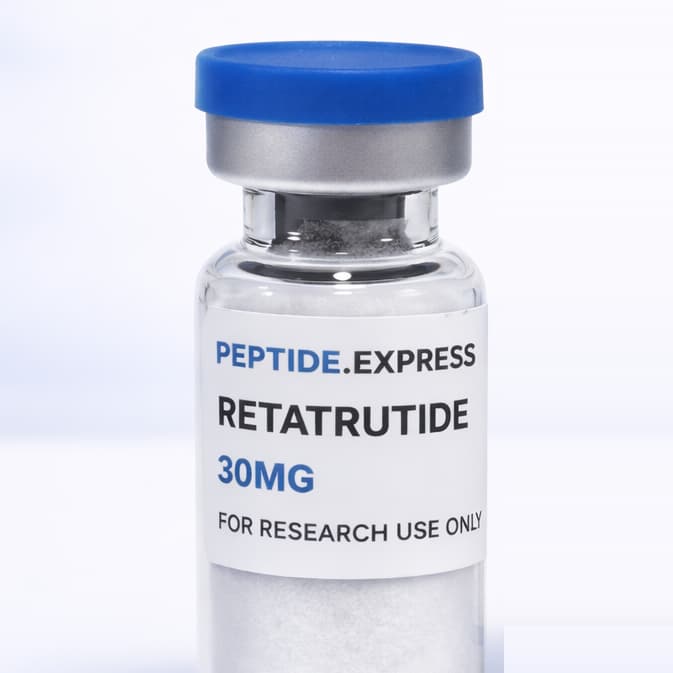
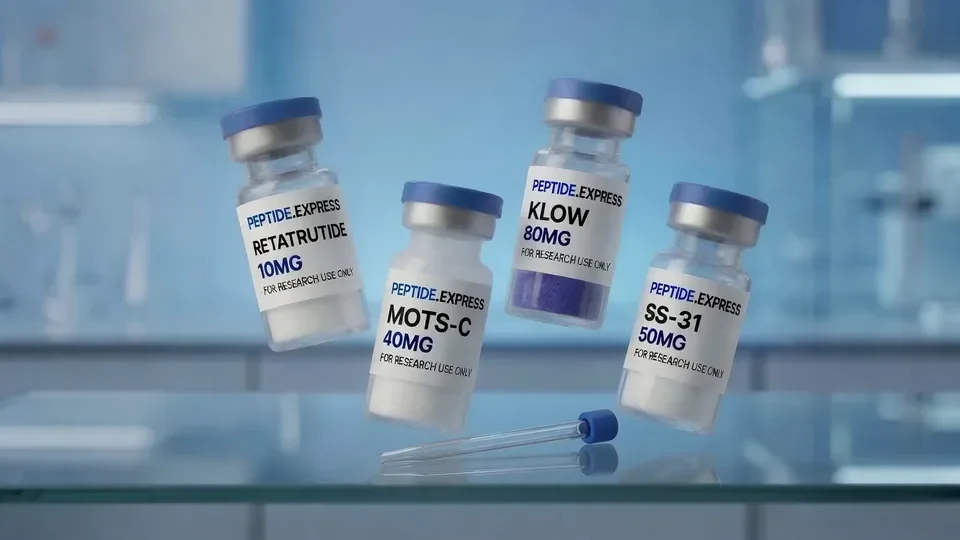
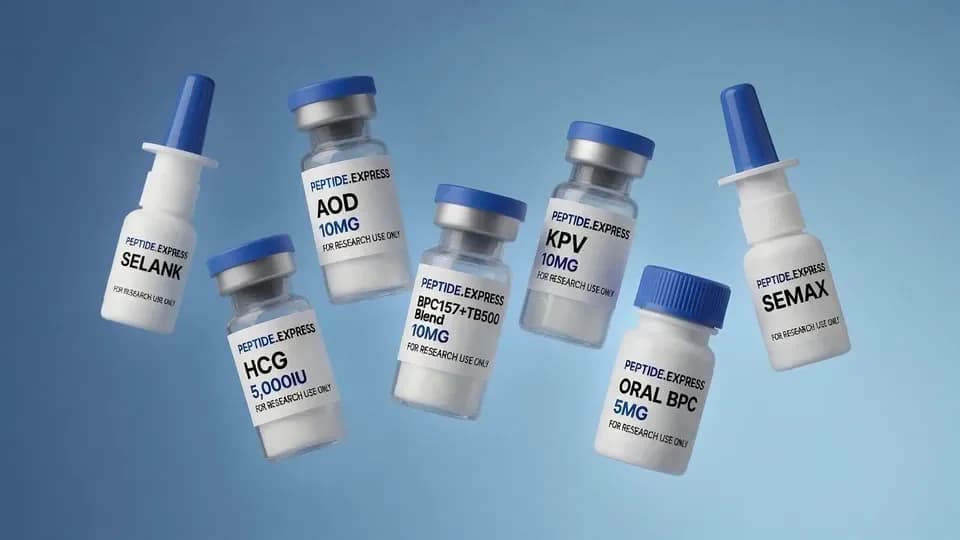
Featured research peptides in the Peptide.Express catalog.

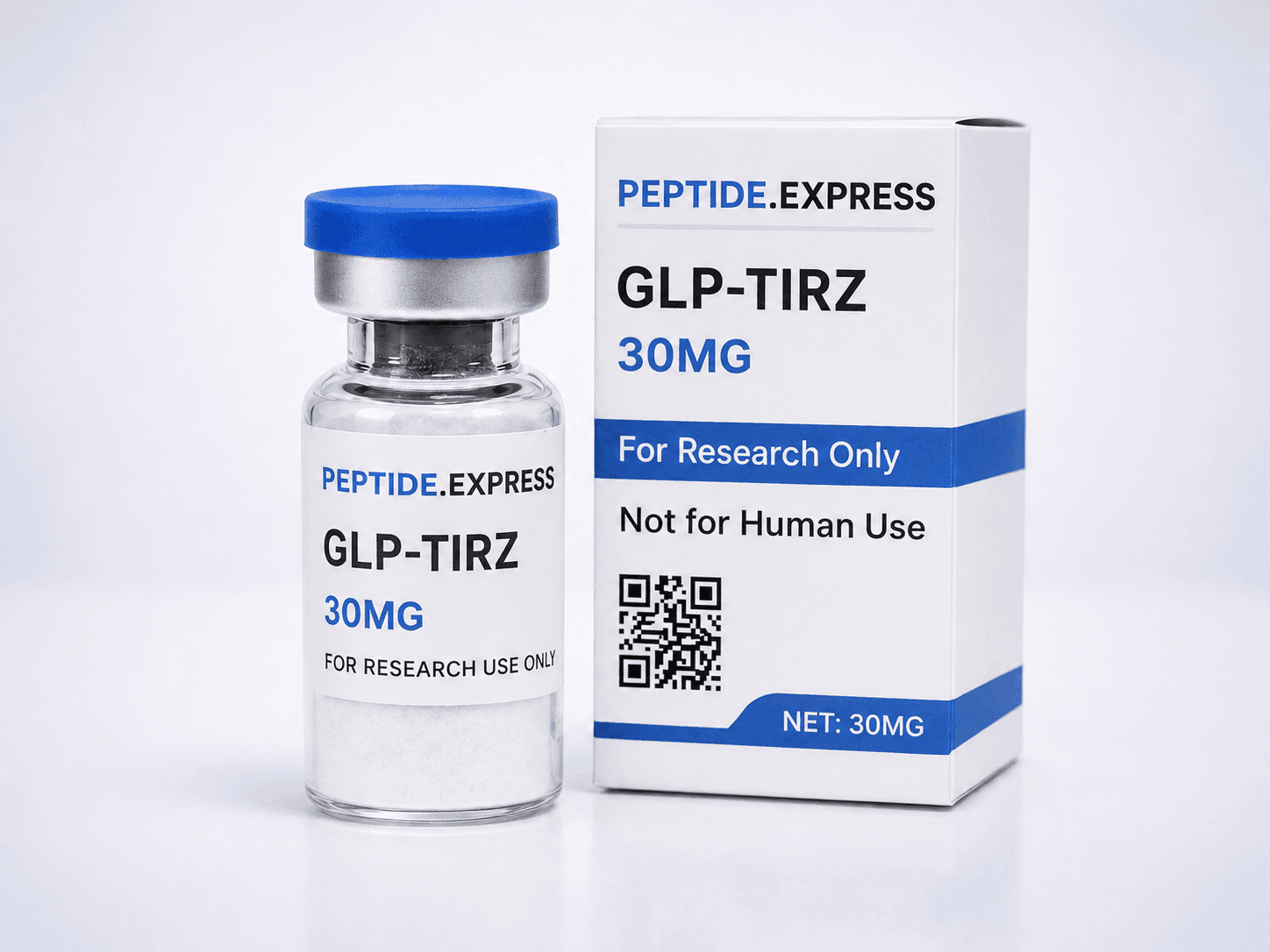


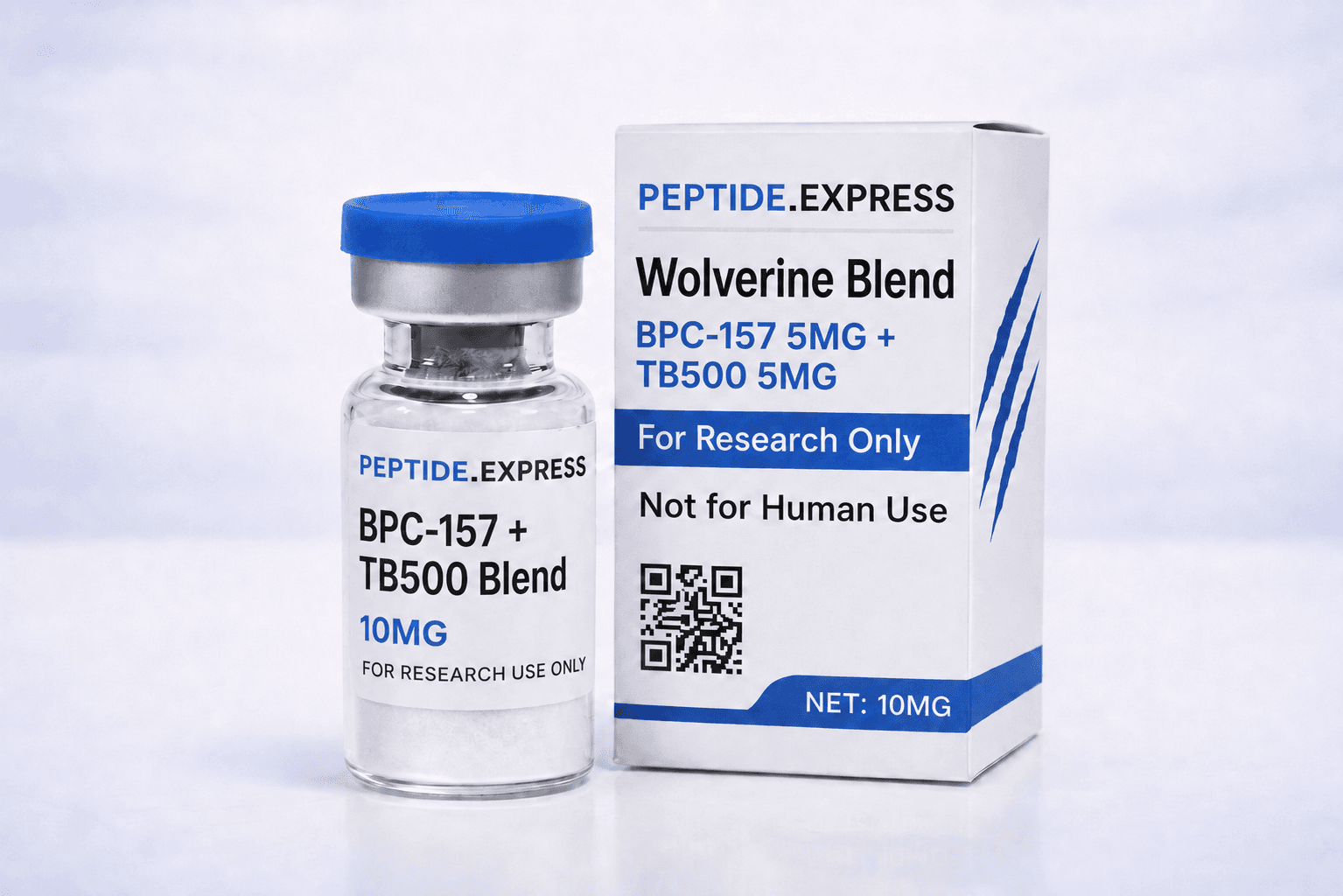

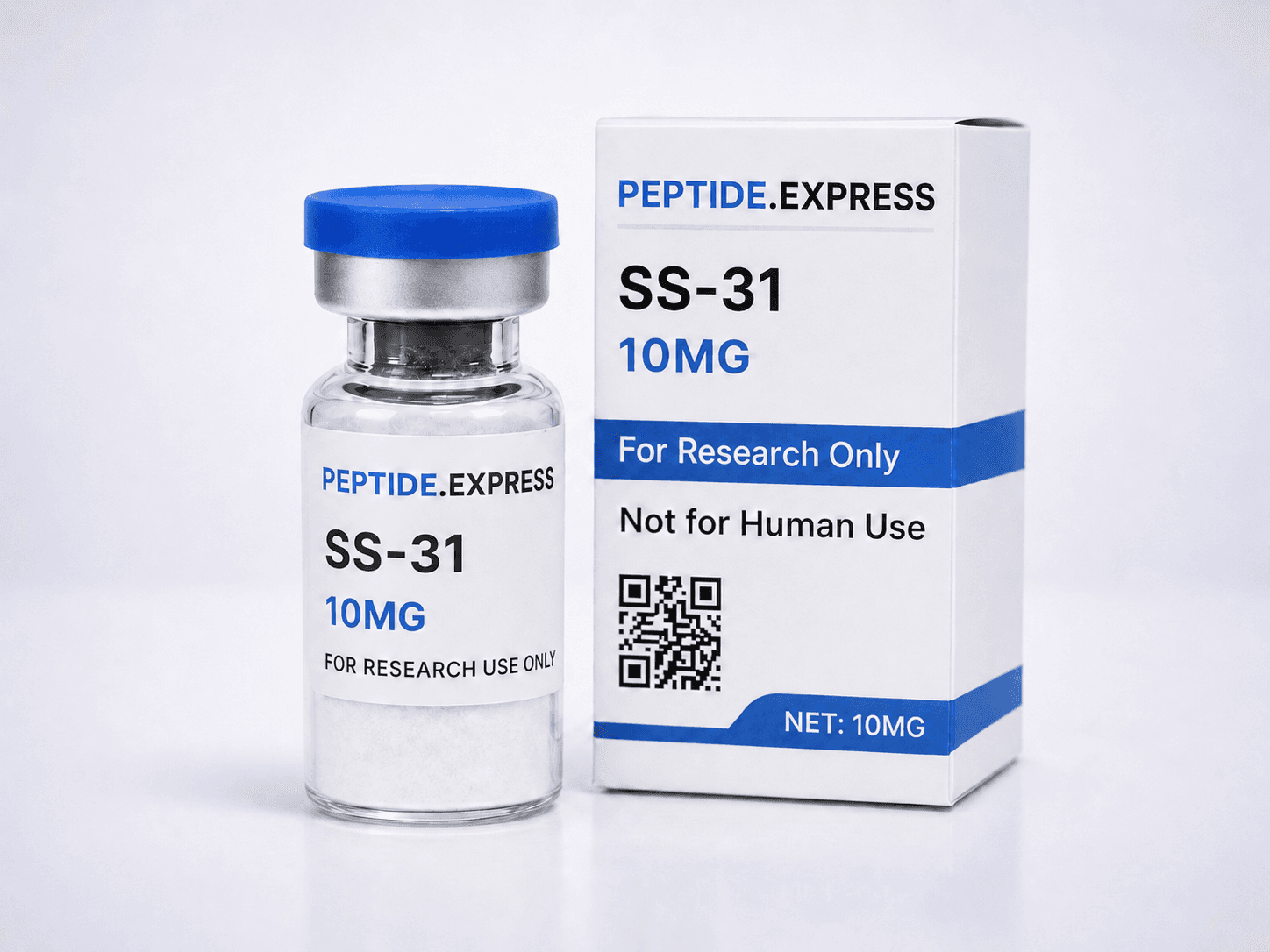


Popular compounds
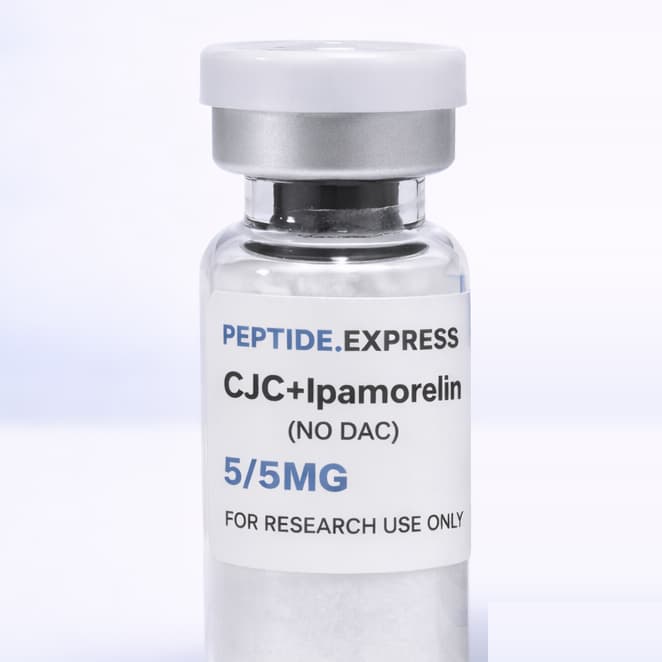
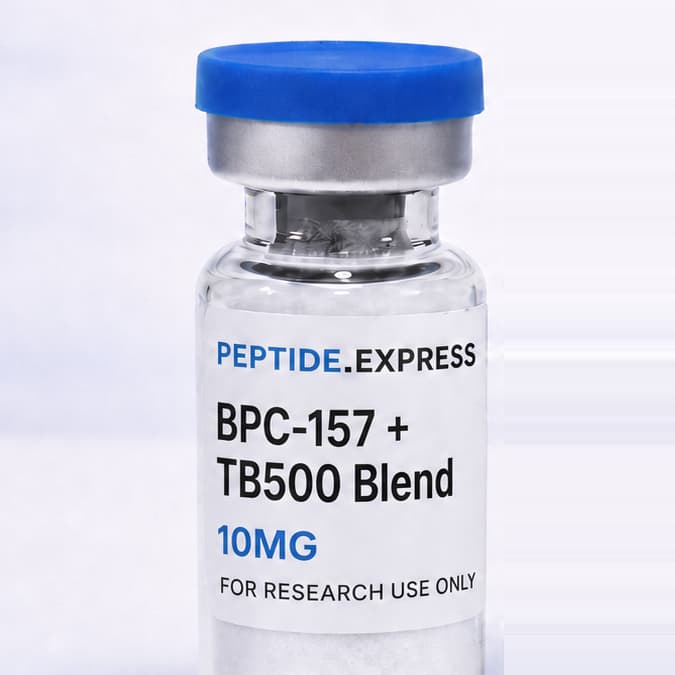
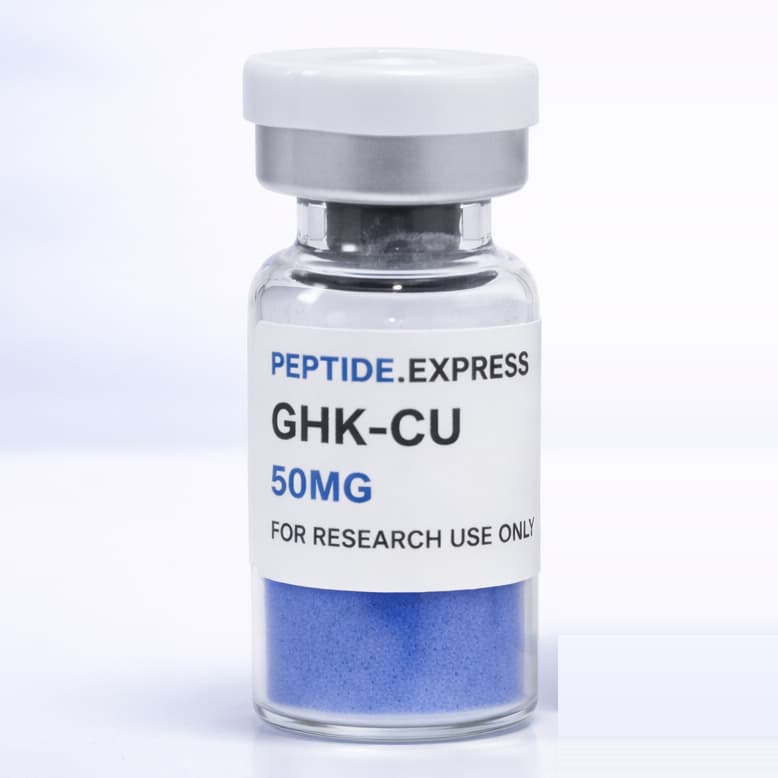
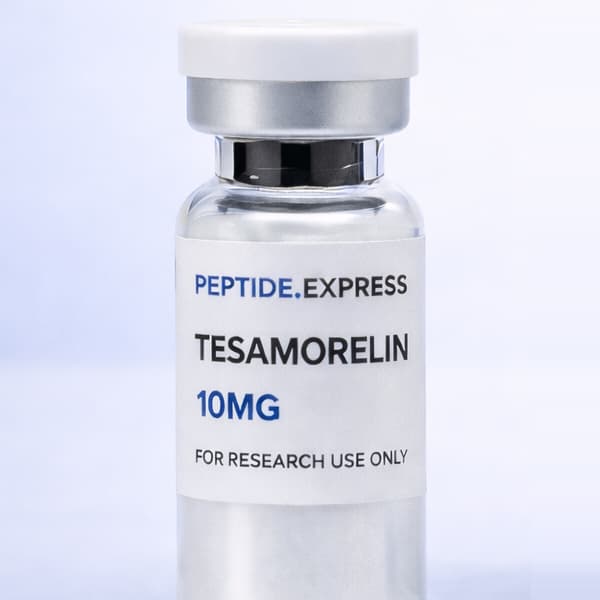
Testing and documentation
How Is Peptide Purity Verified?
Peptide.Express does not run in-house purity testing. Sourced against a ≥99% HPLC purity specification. Third-party Certificates of Analysis are listed by batch where on file. View the CoA library.
HPLC
Reverse-phase HPLC
Purity is measured as the area of the target peak integrated against the total area of every peak on the chromatogram, which is a proportion of the material and not a statement about what the remainder is.
Mass confirmation
LC-MS/MS identity
Where the testing laboratory reports it, identity is confirmed on a second instrument, which sets the mass-to-charge ratio of the eluting molecule against the theoretical mass of the compound named on the label.
Published CoA
Certificate of Analysis
Where a Certificate of Analysis is on file, it lists the lot number, purity figure and test date, with mass confirmation and endotoxin results where the laboratory reported them.
Peptide.Express publishes a Safety Data Sheet for its research compounds in the 16-section GHS format.
US Processing
Same-day dispatch on business days.
Batch-Level Documentation
Where a certificate is on file, it is the document for that lot. A product-level PDF is not a substitute for a lot match.
What we can show you the numbers for
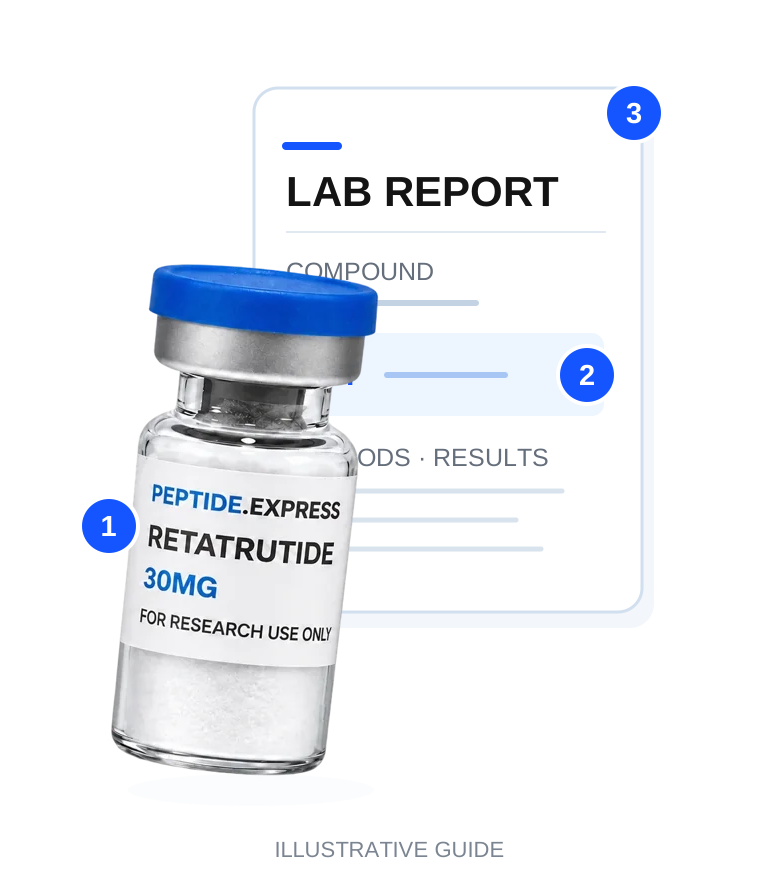
- Peptide.Express has published 23 Certificates of Analysis, each naming the issuing laboratory, with verification details where the lab provides them.
See all 23 CoAs
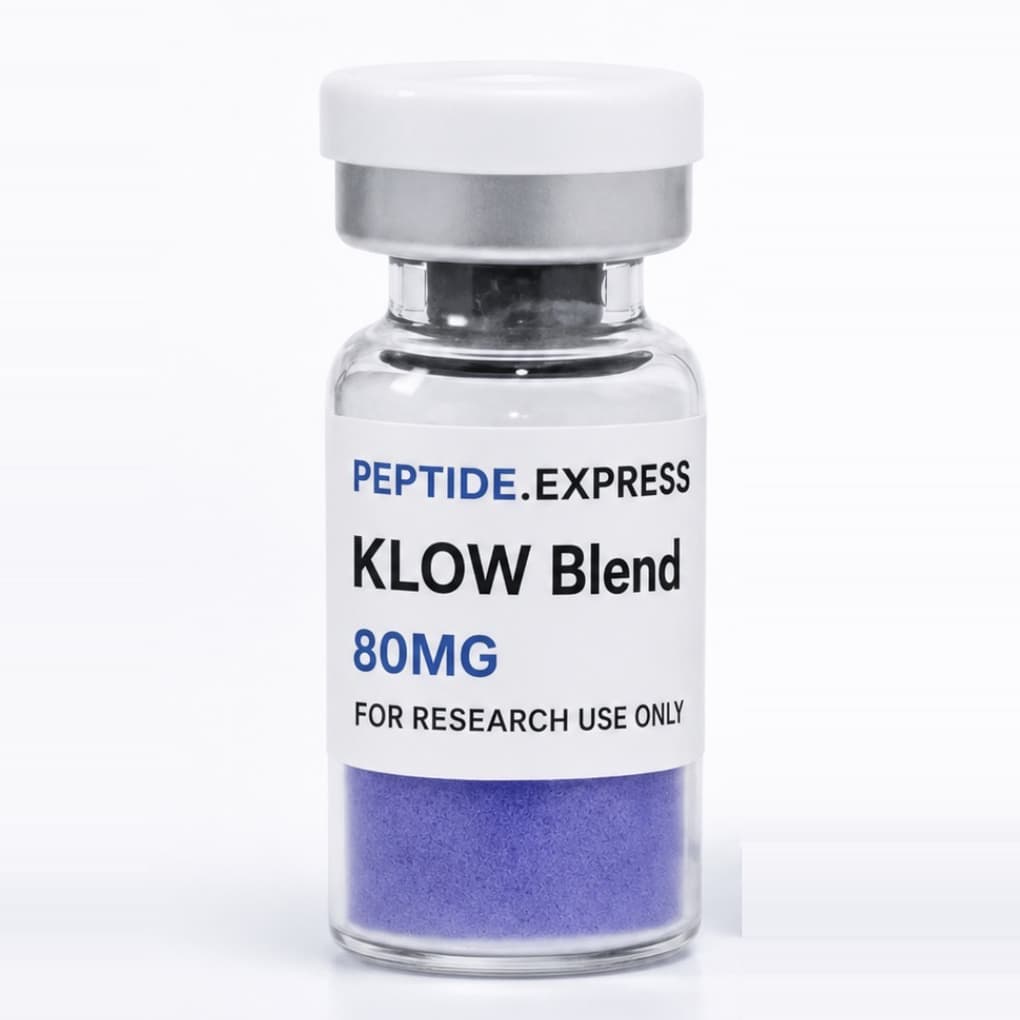
BPC-157 · CJC-1295 + Ipamorelin (No DAC) · Epithalon · GHK-Cu · HCG · HGH · Ipamorelin · Kisspeptin-10 · KLOW Blend · Melanotan II · Mitochondrial Fuel Stack · MOTS-c · NAD+ · PT-141 · Retatrutide · Semax · Semax Nasal Spray · Sermorelin · SS-31 · TB-500 · Tesamorelin · Tirzepatide · Wolverine Blend.
Reference library
Where Can You Read the Research Behind Each Compound?
Peptide.Express publishes 34 written reference pages for in-vitro laboratory research.
- All 17 compound overviews
Compound overviews
17One page per compound: what the molecule is, its mechanism, its molecular identity table, storage handling and the literature cited for each.
Side-by-side comparisons
8Two compounds set against each other in a single attribute table, with the properties they share and the properties that separate them named row by row.
- Tesamorelin vs CJC-1295 (No DAC)
- Ipamorelin vs Tesamorelin
- Retatrutide vs Semaglutide
- BPC-157 vs TB-500
- CJC-1295 (No DAC) vs Ipamorelin
- All 6 research application areas
Research application areas
6Compounds grouped by the research area their literature covers, each entry carrying the reason it belongs in that group.
In-depth research guides
3Long-form guides with solvent and storage tables, sourcing detail, and a reference list at the foot of every one.
- KLOW Peptide Blend: Full Research Guide
- BPC-157 + TB-500: Wolverine Stack Guide
- Research Peptides USA: Sourcing Guide
The compound reference library indexes every profiled compound in one place, and the research article library carries the longer-form writing that sits behind these summaries.
Which Research Areas Does the Catalog Cover?
6 areas, grouped by mechanism rather than alphabetically, which is how the compound reference library is organised and how researchers actually navigate it.
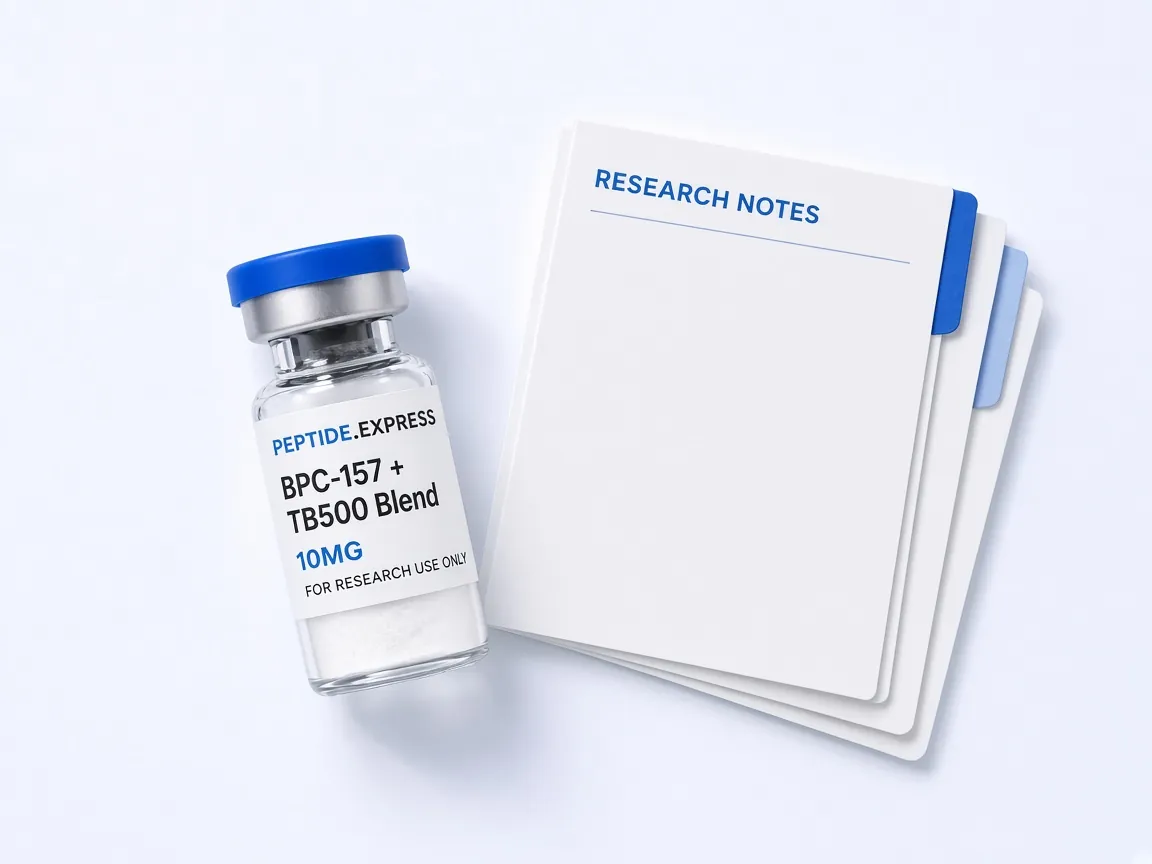
Tissue Repair & Regeneration
Compounds studied for angiogenesis, cell migration and extracellular matrix remodeling in preclinical repair models.
6 compounds
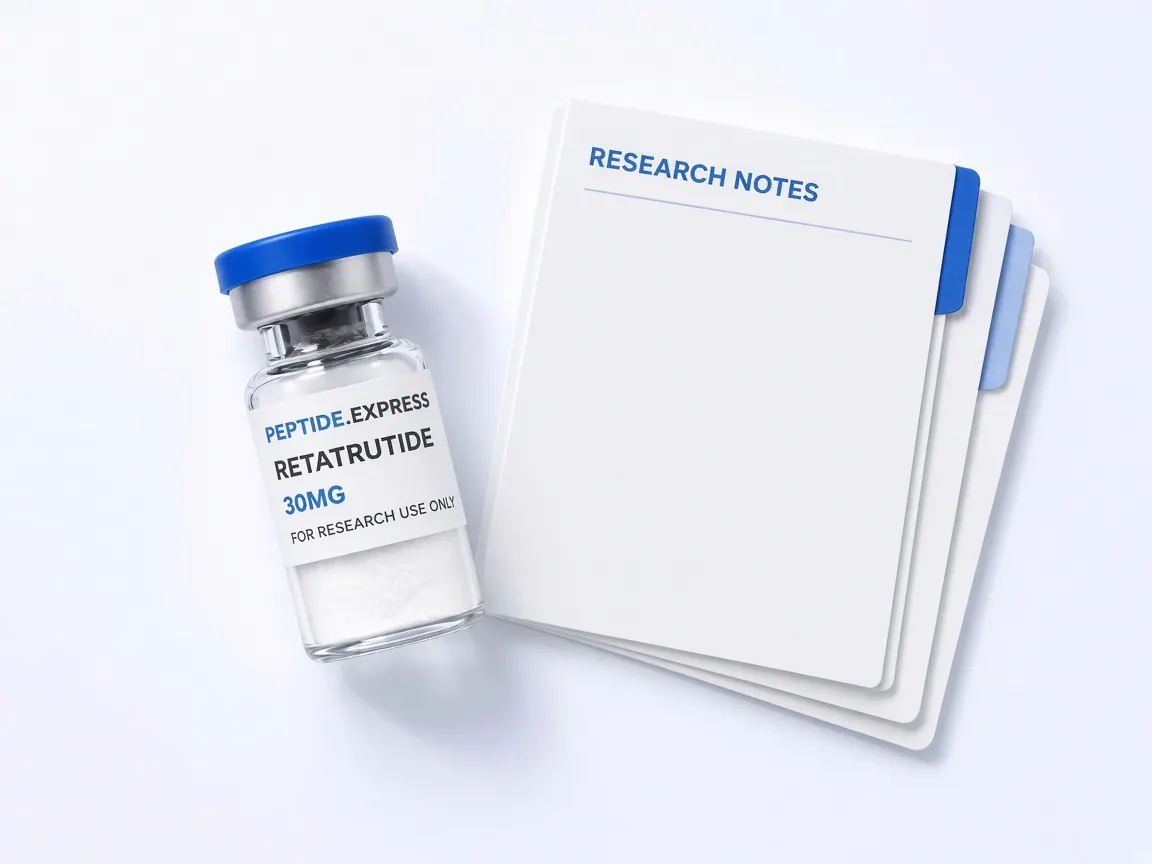
Metabolic & Incretin Receptor Research
Incretin receptor agonists and mitochondrial metabolic signaling compounds used in energy-balance and glucose-homeostasis models.
4 compounds
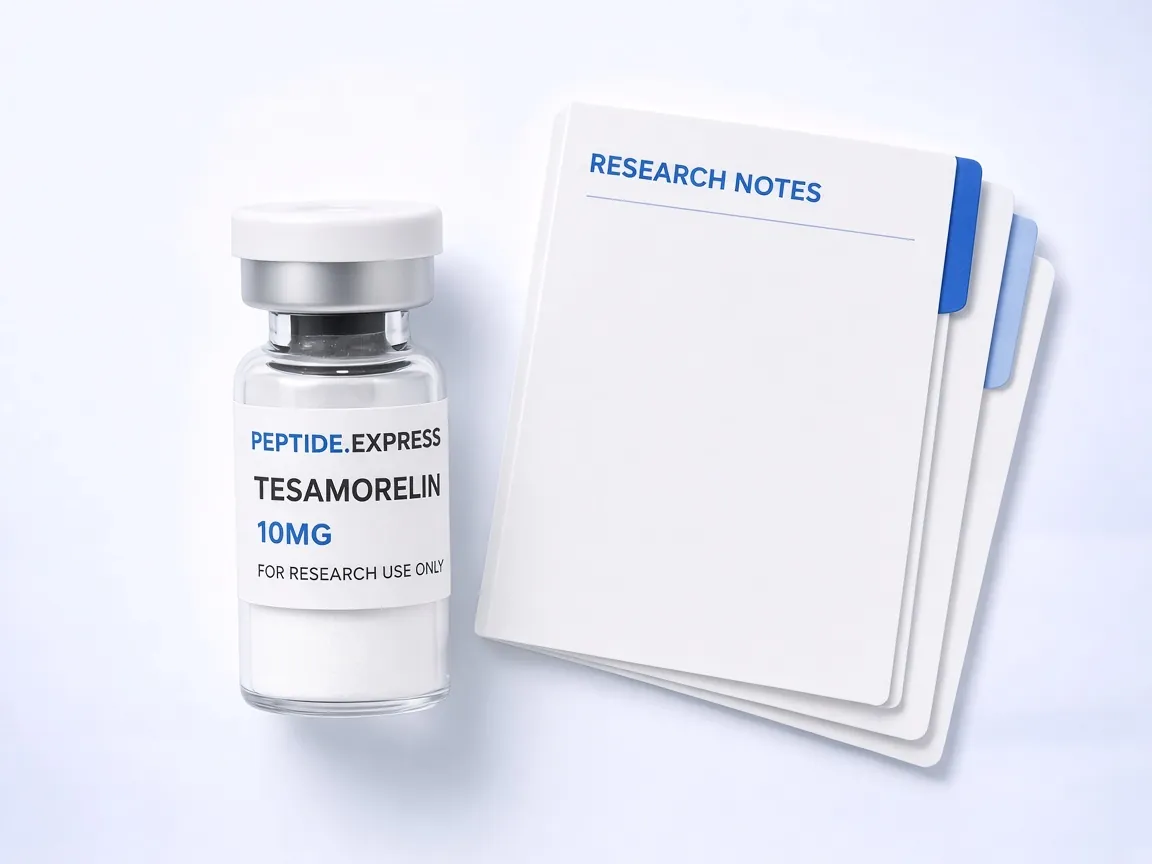
Growth Hormone Axis
GHRH analogs and ghrelin-receptor secretagogues studied on the hypothalamic-pituitary somatotropic axis.
4 compounds
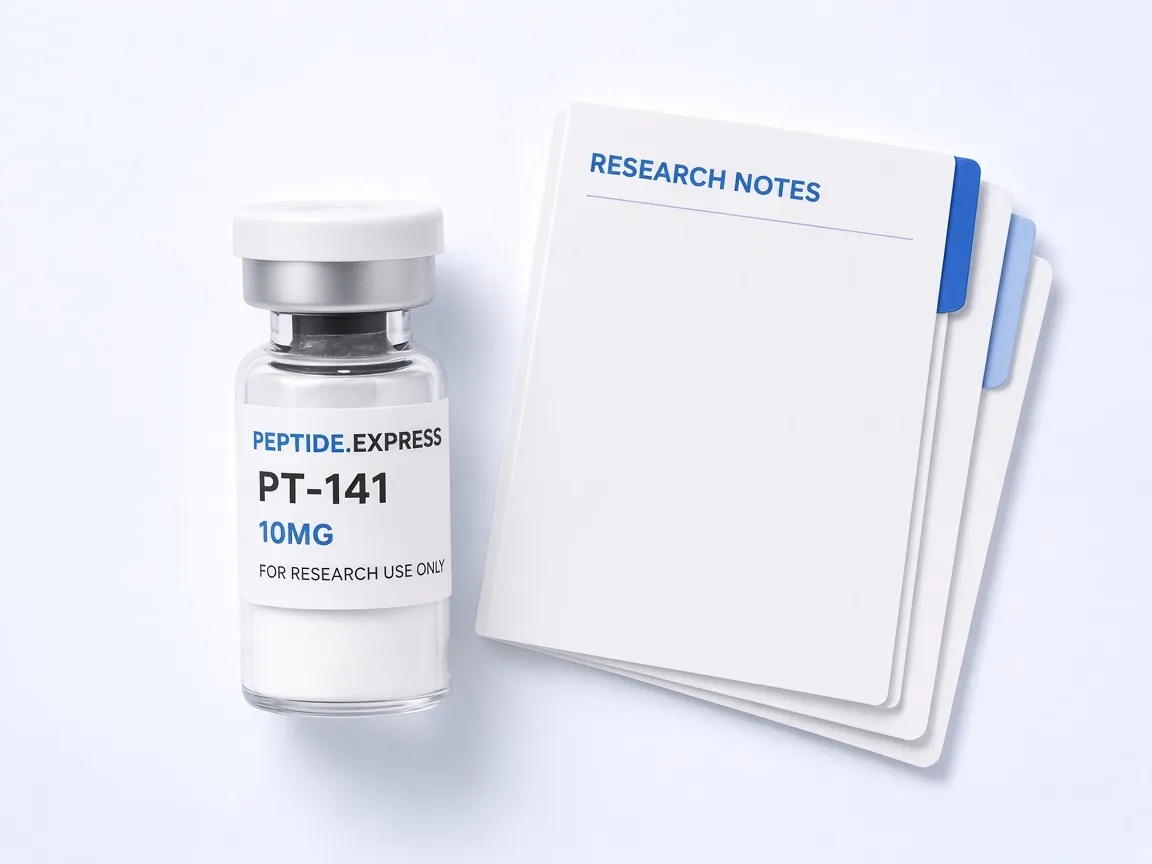
Neuroendocrine & Reproductive Signaling
Melanocortin agonists, GPR54 ligands, sleep-architecture neuropeptides and HPG-axis modulators.
5 compounds
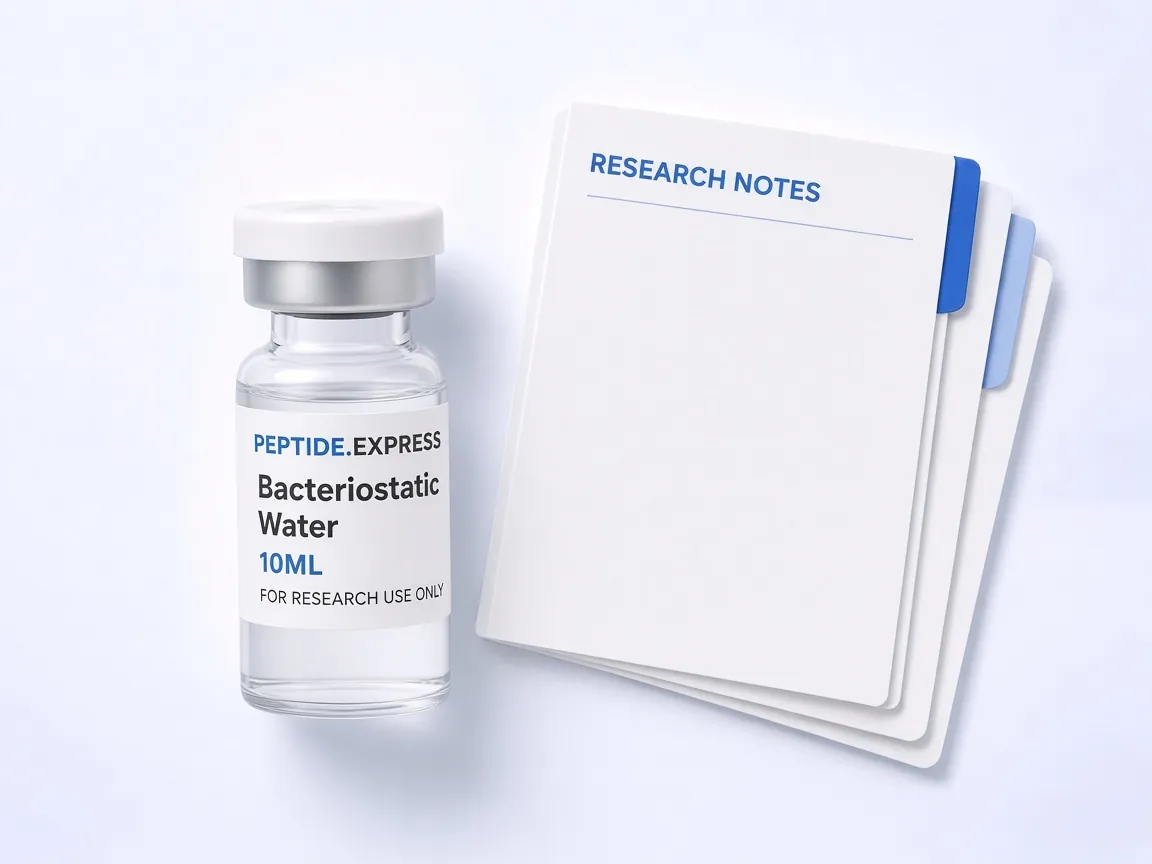
Reconstitution & Laboratory Supplies
Diluents and handling materials required to bring lyophilized research compounds into solution.
1 compound
What Is Peptide.Express?
Peptide.Express is a US-based supplier of research peptides for laboratory use. The catalog covers incretin-receptor ligands, peptides studied in cytoprotection and matrix-remodeling research, mitochondrial probes and melanocortin-receptor compounds. Bulk orders are available at wholesale pricing.
Research Peptide FAQ
Answers cover sourcing, testing documentation, handling and regulatory position. Ordering, returns and reconstitution are covered at greater length in the full Peptide.Express FAQ.
Where can I buy research peptides online?
Peptide.Express sells research peptides for laboratory use and ships within the United States. Processing times, free-shipping thresholds, and carrier options are on the shipping policy page. Third-party Certificates of Analysis are listed by batch where on file. View the CoA library in the lab results index. International shipping is not offered. For laboratory research use only. Not for human or veterinary use.
How does Peptide.Express verify peptide purity?
Testing methodology for research peptides supplied by Peptide.Express: HPLC purity against a ≥99% sourcing specification, reported by an independent third-party laboratory, with identity confirmation and appearance where the laboratory reported them. Certificates of Analysis are published in the lab results library for products that have one on file. For laboratory research use only. Not for human or veterinary use.
Does the 99% purity standard mean my specific vial was measured at 99%?
No. The ≥99% figure is the purchasing specification Peptide.Express buys to before a batch is accepted. It is not a measurement of any individual vial. A measured purity figure exists only for a batch a laboratory has actually run, and it is published on that batch Certificate of Analysis. Spec and vial result stay separate on this site. For laboratory research use only. Not for human or veterinary use.
What is the intended use of peptides sold here?
In-vitro laboratory research and educational use only. Nothing sold by Peptide.Express is intended for human consumption, clinical administration or veterinary use. Research-use-only material is not manufactured under the pharmaceutical GMP requirements that govern drug products and is not sterile-filled for administration. No regulatory body has approved it for use in humans or in animals.
What does a Certificate of Analysis contain?
A CoA is a batch document rather than a product document. Each one carries the lot number, the HPLC chromatogram and the purity figure integrated from it, the LC-MS/MS mass confirmation, appearance and solubility notes, the endotoxin result, the test date and the name of the laboratory that ran the analysis. Two vials of the same compound from two synthesis runs have two different certificates, so the lot number on the vial has to match the lot number on the document before anything else on it applies.
Are research peptides legal to buy in the United States?
Research peptides are legal to purchase in the United States for legitimate laboratory research, and in most cases no special license is required. Some compounds are subject to jurisdiction-specific rules, and confirming local law before ordering sits with the buyer. Purchase carries an agreement that the material stays in a research context.
How should lyophilized peptides be stored?
At -20°C, desiccated and protected from light, for long-term storage. For anything under 30 days, 2-8°C is acceptable. Vials stay sealed until reconstitution because the lyophilized cake is hygroscopic and begins pulling atmospheric moisture as soon as it is exposed to air. Stored properly at -20°C, 24 months from manufacture is the standard shelf life across this catalog.
How long does a reconstituted peptide remain usable?
Reconstituted in bacteriostatic water and held at 2-8°C away from light, the working window is generally 14 to 28 days. The upper end of that range tracks the USP 28-day multi-dose limit for benzyl-alcohol-preserved vials rather than the chemical stability of any particular peptide. A solution that has turned cloudy or discoloured, or that carries visible particulate, is finished regardless of what the calendar says.
How quickly do orders ship, and where do they ship from?
All orders ship from within the United States. Same-day dispatch on business days (orders before 2 PM EST). Orders placed after 2:00 PM EST may be processed the next business day. USPS Priority Mail typically arrives 3–5 business days from the ship date; expedited options are at checkout. Free standard shipping applies to qualifying US orders over $150. Compounds ship as lyophilized powder in sealed vials inside a plain outer carton that carries no product information. For laboratory research use only. Not for human or veterinary use.
Are any Peptide.Express compounds FDA-approved?
No. No compound supplied by Peptide.Express is an FDA-approved drug product. A few of the molecules exist in approved pharmaceutical form under other manufacturers: tesamorelin is approved as Egrifta, and tirzepatide is approved under brand names. An approved drug product and a research-grade compound of the same molecule are different products made to different standards, and the approval attaches to only one of them. Retatrutide is investigational and is approved for no indication anywhere.
Which catalog compounds appear on the WADA Prohibited List?
Several. BPC-157, TB-500 and MOTS-c fall under the non-approved-substance and peptide-hormone sections and are prohibited at all times. GHRH analogs and growth hormone secretagogues, including tesamorelin, CJC-1295, ipamorelin and sermorelin, fall under S2. Enclomiphene falls under S4 as a selective estrogen receptor modulator. The Prohibited List is revised annually, so competitive athletes and the people advising them should read the current version rather than any vendor summary.
What is the difference between a peptide and a protein?
Length, and what length does to structure. Peptides run short, conventionally under about 50 amino acids, and generally lack the folded tertiary structure a protein depends on for its function. The boundary is a convention rather than a hard chemical line: insulin at 51 residues sits on it and gets called both. The practical consequence is that a peptide can be assembled residue by residue on a solid-phase resin, while a protein of the same sequence usually has to be expressed in a living system.
Create a Peptide.Express Account
Create a Peptide.Express account to track orders and reorder faster.
Create AccountDisclaimer
All products are sold strictly for laboratory research use only (RUO). They are not intended for human or veterinary use, consumption, diagnostic, or therapeutic purposes. Statements on this site have not been evaluated by the FDA. Products are not intended to diagnose, treat, cure, or prevent any disease.